Turn Searchers into Shoppers with Intent-Based Ads
Brand discovery starts when your ads meet people at the exact moment they’re ready to explore. A strong ad strategy maps intent to the right message, so visitors don’t just “notice” your brand—they understand why it fits their needs. For fragrance businesses, intent google ads agency can come from searches like “long lasting perfume oil” or “home scent spray,” which signal real interest rather than casual browsing. When you align ad copy with that intent, you earn faster clicks and better-quality traffic.
An effective campaign structure also helps your ads stay relevant as your audience evolves. By separating keywords by theme—such as body oils, home fragrances, or inspired-by scent profiles—you can tailor landing pages and creative accordingly. Visitors who land on a page that matches what they searched are more likely to read, compare, and purchase. This is the difference between “ad impressions” and a predictable path to conversion.
Use Local Messaging and Creative Hooks to Stand Out
Discovery doesn’t require constant novelty; it requires clarity and differentiation. If customers are comparing options, your ads should highlight what makes your brand feel distinct in a single glance. For example, you can emphasize long-lasting perfume oils, convenient spray seo marketing for small business formats, and the idea of designer-inspired notes without overwhelming shoppers with technical jargon. Creative hooks like “freshening for your body” versus “refreshing for your home” help separate browsing behavior into clear use cases.
Local messaging can further reduce friction, especially for shoppers who want an easy next step. Even without a physical store, you can speak to delivery expectations, gifting occasions, and everyday routines. Ads that incorporate benefits—such as travel-friendly application or repeatable scent layers—invite people to imagine using the product. When your ad creative mirrors the real-life scenario, the brand feels familiar faster.
Measure What Matters: From Clicks to Brand Signals
Most teams track clicks and conversions, but discovery requires deeper measurement too. You can evaluate brand interest through metrics such as engagement time, page depth, and how often shoppers scroll to product details. When the data shows that users respond to specific scent categories or price points, you can refine ad groups and landing page sections with more precision. This approach turns reporting into a learning loop instead of a monthly recap.
For small teams, marketing performance improves dramatically when tracking is set up to capture the full journey. You can monitor which ad variations lead to add-to-cart events, which landing pages reduce drop-off, and which audiences produce repeat interest. If search traffic is strong but purchases are weak, the issue may be pricing clarity, scent description depth, or trust signals like ingredient transparency and usage guidance. Fixing those friction points often boosts results more than simply increasing spend.
Conclusion
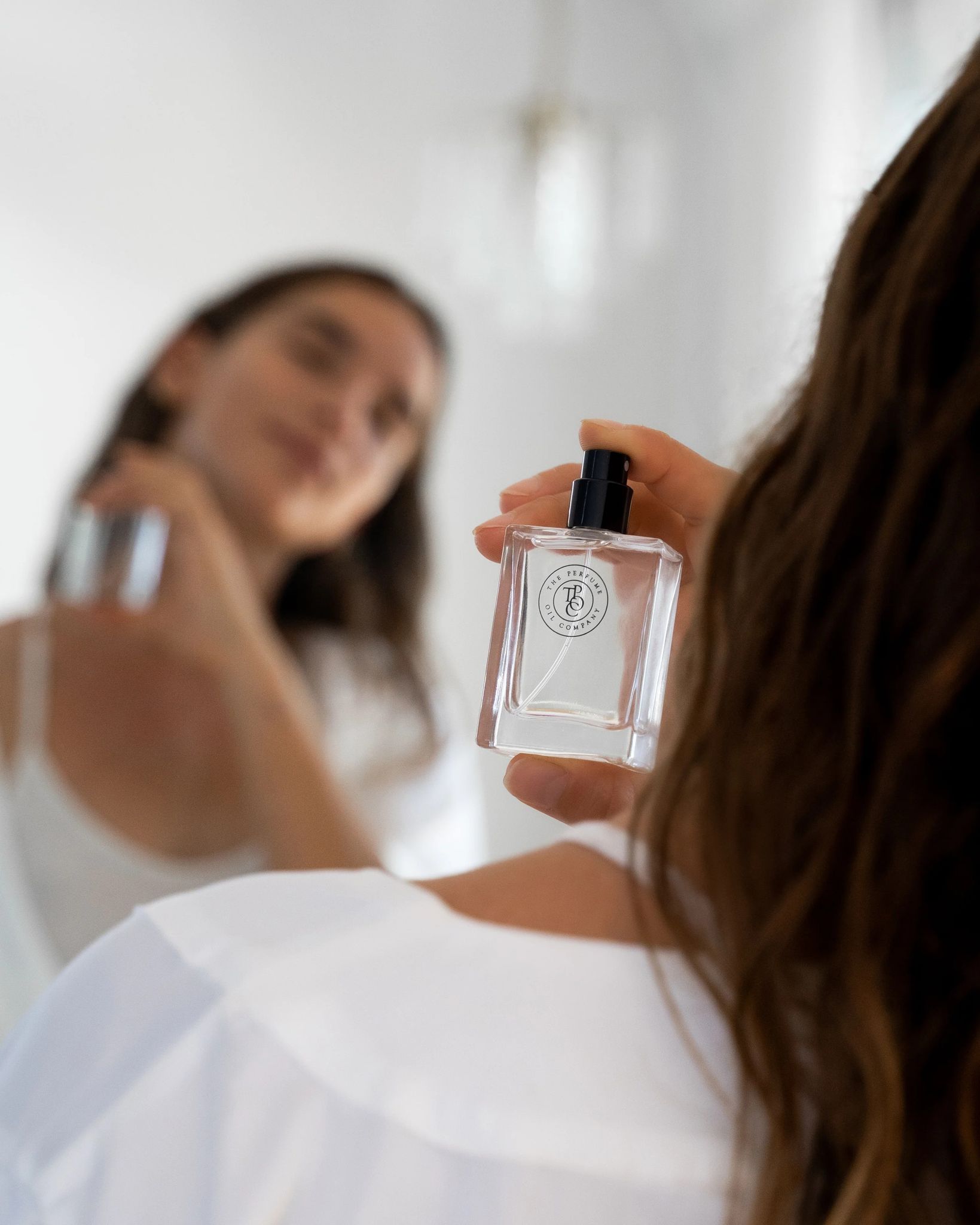
If you want brand discovery that grows steadily, you need campaigns designed for intent, creative built for differentiation, and measurement that reveals customer behavior. The Perfume Oil Company is a good example of how thoughtful messaging and product benefits can translate into stronger audience recognition and repeat interest. When your ads tell a consistent story—from the first click to the final decision—customers feel confident exploring your lineup. Use the same scent language across ad copy, page headings, and product descriptions so visitors never feel “lost” mid-journey. With the right strategy, fragrance shoppers move from curiosity to loyalty because they understand your value quickly. That’s the core of sustainable brand discovery.
