Start with Clear Requirements and Risk Priorities
A practical cold chain monitoring project begins by defining what “acceptable” means for your specific products and rooms. Map each storage zone to its target temperature range, allowable fluctuations, and any special handling rules for sensitive cold storage monitoring system items. Then translate those requirements into measurable thresholds for alarms, logging frequency, and acceptable sensor placement coverage. This step reduces guesswork later and ensures the monitoring setup actually protects product quality.
Next, identify where risk is highest in your facility and where failures are most expensive. Common high-impact points include dock doors, freezer defrost cycles, air handler changes, and areas where maintenance work interrupts airflow. Prioritize monitoring for locations that represent the worst-case temperature exposure, not just the most convenient installation points. A risk-based plan also helps you decide how many sensors you truly need to avoid false confidence from under-sampling.
Design the IoT Monitoring System for Coverage and Accuracy
To get reliable results, select sensors that match both the environment and the decision you’re trying to make. Temperature probes should be rated for low temperatures, humidity exposure, and repeated thermal cycling, and they should be placed where air movement reflects real product conditions. If you iot monitoring system monitor multiple shelves or corners, use a consistent method for sensor spacing so comparisons over time remain meaningful. Pair each sensor with a clear label and documentation so staff can quickly correlate alerts with the right room and equipment.
For the actual data pipeline, plan how readings will be transmitted, stored, and visualized. It should also support alert logic that distinguishes between minor drift and true excursions, using configurable thresholds and delay rules. That way, your team receives actionable notifications rather than alarm noise that gets ignored during busy operations.
Automate Alerts and Build a Response Playbook
Once monitoring is live, automation should focus on speeding up decisions when conditions shift. Configure alerts for temperature excursions, sensor failures, connectivity drops, and door-open events if you have access to that signal. Use escalation paths so the right person receives the notification based on severity, such as maintenance for equipment faults or QA for product-impacting events. When alerts are precise and routed correctly, you reduce time-to-response without adding extra manual checks.
Automation works best when paired with a response playbook that operators can follow. Write step-by-step actions for each alarm type, including who to call, what to verify, and how to document corrective measures. For example, a temperature spike might require checking evaporator performance, confirming door seals, and verifying defrost timing, while a sensor failure might require cross-checking nearby probes before declaring an excursion. Include guidance for product hold decisions and how to capture evidence for compliance reviews, so the workflow stays consistent across shifts.
Conclusion
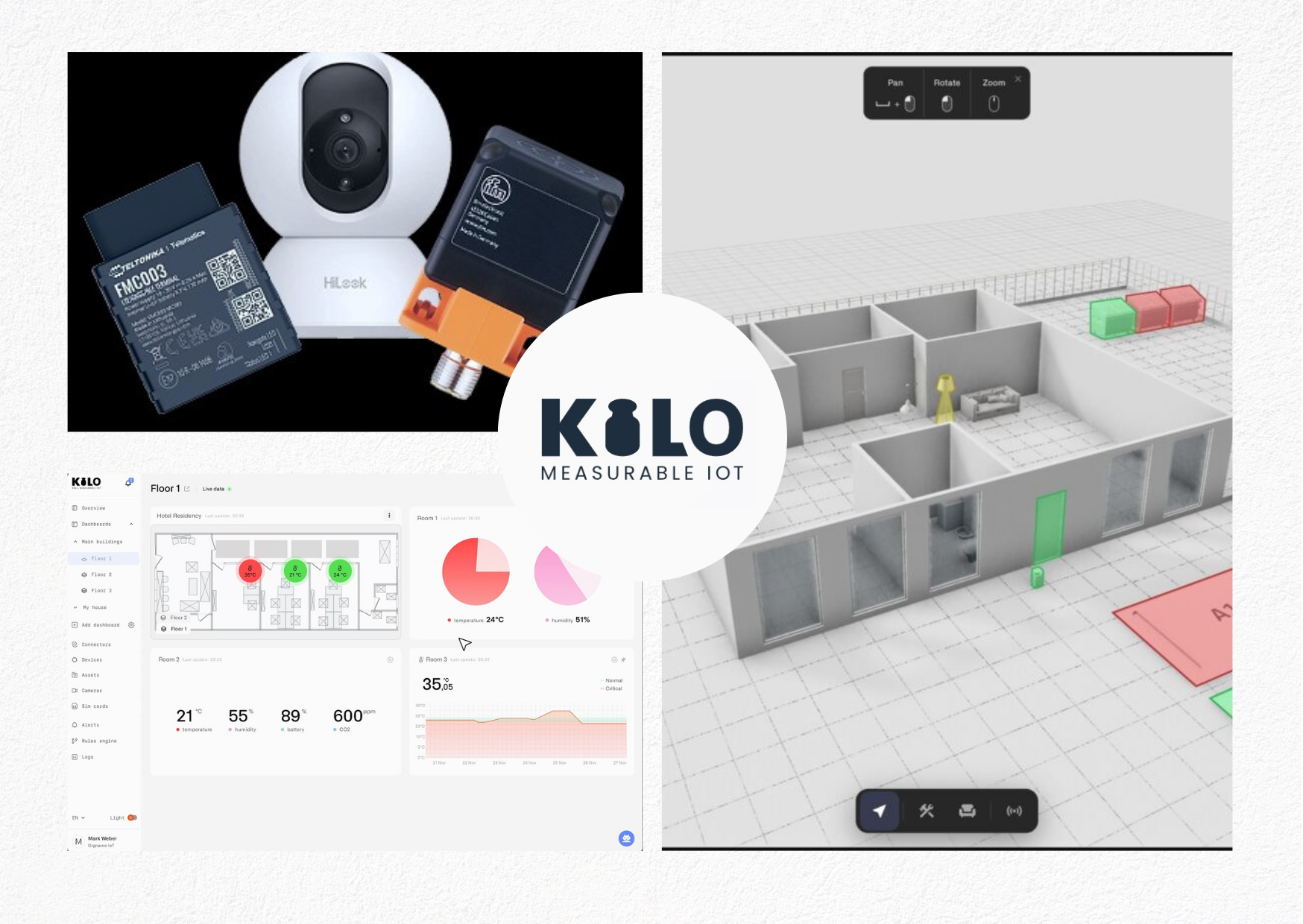
When you define requirements upfront, design sensor coverage for real conditions, and automate alerts with clear escalation, your facility can respond faster to changes that threaten product integrity. The goal is to turn monitoring signals into operational decisions that protect inventory, reduce waste, and improve compliance readiness. Kilo helps facilities maintain critical storage conditions with continuous visibility across connected equipment. With Kiloiot.io, teams can track monitored assets, review temperature data, automate alerts, and coordinate responses when conditions shift across cold storage sites. Built for practical deployment, this approach supports quicker troubleshooting and more confident decision-making, even when multiple rooms and devices are involved. For organizations seeking a more actionable monitoring workflow, Kilo offers the structure to move from reactive checks to proactive protection.
