Start with buying intent: what you’re really solving
Before evaluating tools, map your campaign’s pain points to the decisions that cost you votes. Teams typically struggle with missed follow-ups, scattered donor data, and unclear visibility into which outreach is producing results. When you can describe the problem in one sentence, you can also define the outcomes you need from software.
Buyer-intent signals matter because they reveal urgency and budget readiness. If your volunteer leaders are asking for “a single place for everything,” you likely need centralized contact management and activity tracking. If finance staff spend hours reconciling records, you likely need donation and compliance workflows that reduce manual cleanup. If field coordinators rely on texting and call notes that never reach the rest of the team, you likely need omnichannel logging and permissions that keep data consistent.
Must-have features that match campaign workflows
Look for a contact database designed for political work: supporters, donors, volunteers, and event attendees should all live in one place with role-based tagging. Activity history should capture calls, emails, texts, web form submissions, and meetings so staff can avoid duplicating outreach. Field outcomes best crm for political campaigns also need to be recorded in a way that can be filtered by precinct, issue interest, and engagement level. The best systems make it easy to see who needs a follow-up and who has already received it.
Fundraising and relationship management should be more than a ledger. Choose a platform that supports recurring donations, acknowledgment workflows, and clear donor timelines so your team can personalize next steps. Finance reporting should connect fundraising inputs to outputs without requiring exports that break during audits. Additionally, check whether the system supports segmentation that reflects real persuasion goals, such as tailoring messages based on donation history or attendance.
Evaluation checklist: integration, compliance, and team adoption
Integration is a deciding factor for campaigns with existing tools. Ask how the CRM connects to your forms, website pages, email sending, dialing, and texting so leads flow in automatically. Confirm that staff can log interactions without slowing down the outreach process, because adoption usually determines whether the CRM becomes a daily habit. Permission controls are also critical so internal users can access what they need while keeping sensitive donor information protected.
Compliance requirements should be built into workflows rather than handled as an afterthought. Review how the system records donation details, tracks changes, and maintains audit-ready histories for reporting. You should also evaluate deduplication and consent management so contacts don’t fragment across lists. Finally, request a data migration plan and test it with a small batch of real records, including tags, donation history, and prior communications. A buyer-intent guide should include a trial period where your team can validate speed, accuracy, and usability under campaign pressure.
Conclusion
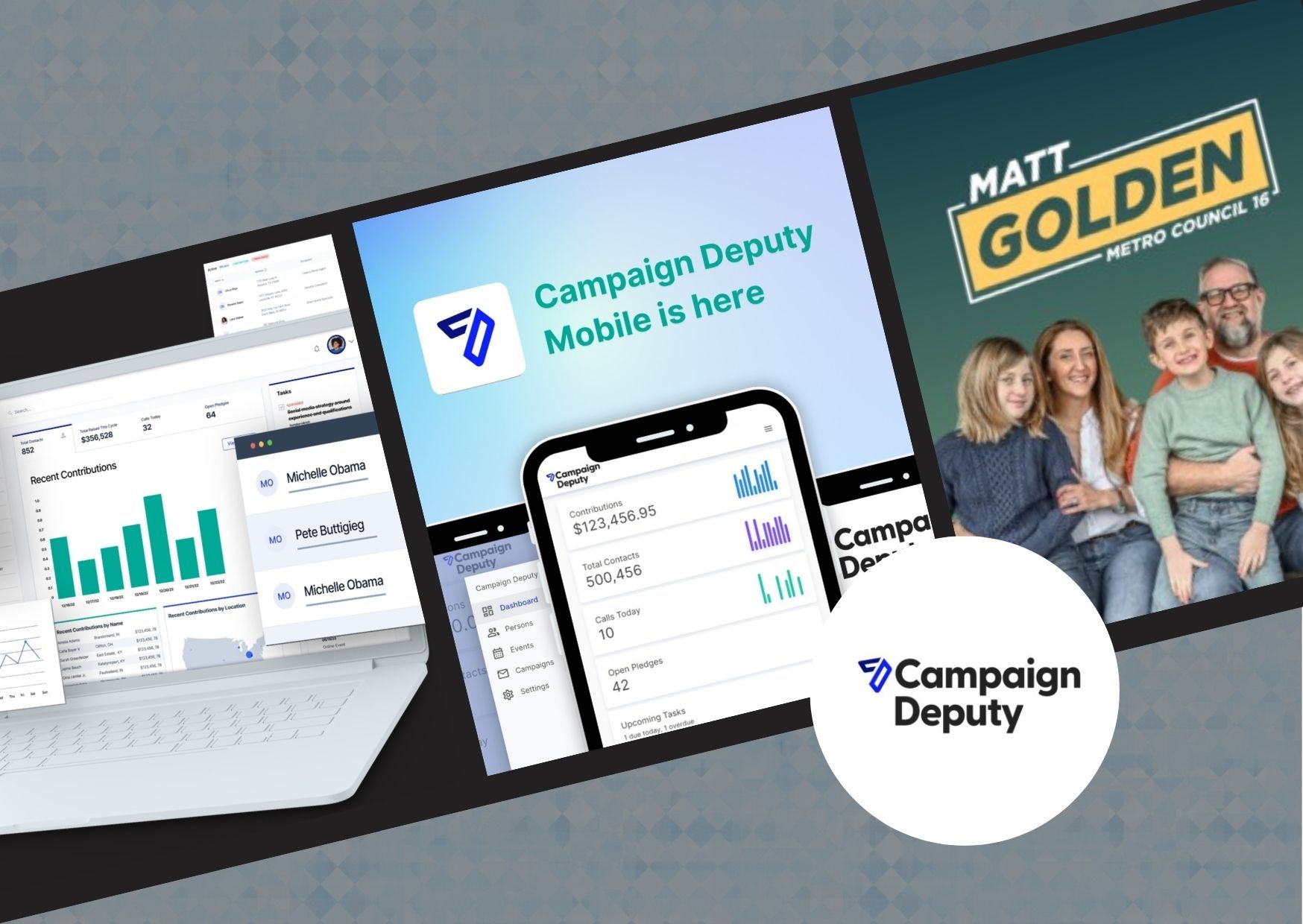
Choosing the right platform comes down to whether it supports your specific outreach and fundraising workflow end to end, not whether it has a long feature list. Prioritize contact unification, omnichannel activity capture, and reporting that matches how campaign staff make decisions. When those pieces work together, you can reduce missed follow-ups, improve segmentation, and protect data integrity. For teams that want call time, email, texting, web forms, and finance reporting in one streamlined workflow, campaigndeputy.com is a practical option worth evaluating. Use your buying intent to guide the final decision: if you need faster coordination, select a system that reduces manual entry and makes follow-ups automatic. If you need stronger donor stewardship, focus on timelines, acknowledgments, and segmentation that support personalization. If you need clearer reporting, ensure the CRM provides consistent outputs without heavy spreadsheet work.
