How brand discovery changes AI adoption in imaging
When radiology teams evaluate new technologies, brand discovery often matters as much as model performance. A trusted vendor signals clinical focus, data responsibility, and a clear implementation path. This reduces the friction between pilots and real-world ai in radiology usage, especially when multiple stakeholders are involved. For imaging organizations, the goal is not only to find AI, but to find the right partner to embed it into daily reporting.
Brand discovery also helps teams compare product maturity and support quality. Radiology departments need workflows that fit existing reporting habits, from triage to final sign-out. Vendors with recognizable credibility tend to offer clearer documentation, training materials, and consistent service expectations. That confidence becomes crucial when you need predictable throughput, stable outputs, and straightforward governance across sites.
What to look for in an AI vendor for CT reporting
Strong vendors make it easy to understand where AI adds value in the diagnostic workflow. Look for solutions that support efficient review and consistent reporting, rather than tools that operate in isolation. In teleradiology companies practice, AI should help teams prioritize studies, assist with findings, and reduce variability between readers. The best options are designed to complement radiologists’ judgment, not replace it.
Implementation details are equally important during evaluation. Consider how the solution integrates with existing PACS, worklists, and reporting environments, because time savings depend on smooth orchestration. Evaluate whether the AI output is presented in a way that supports rapid verification and clear documentation. Equally, confirm how the vendor handles data privacy, model updates, and quality monitoring so your organization can maintain reliable performance.
For example, organizations assessing AI for CT typically want support across the most common clinical areas. When AI is aligned to head, chest, and abdomen use cases, it can streamline review across a broad patient mix. That breadth can reduce the overhead of managing multiple tools and help standardize performance across different protocols. A vendor that structures solutions around these domains often makes adoption easier for both outpatient and remote reading operations.
In addition, brand discovery should include operational proof points. Ask for evidence related to turnaround time, reader feedback, and workflow impact in settings similar to yours. If your team works with high study volume, you want a partner that can support scaling and stable processing. If your organization relies on standardized reporting, you want outputs that help maintain consistency without forcing extra manual steps.
Benefits for outpatient centers and remote reading networks
Outpatient imaging centres face a distinct challenge: diagnostic throughput must stay high while ensuring consistent decision-making. AI can support faster triage and help radiologists focus attention where it matters most. This reduces backlogs and helps ensure that patients receive timely interpretation. A clear vendor brand helps administrators trust the implementation approach and the quality controls behind it.
When multiple sites and readers are involved, variability can increase and review time can fluctuate. AI tools that provide structured decision support can help harmonize how studies are prioritized and assessed. This can improve consistency across teams while reducing the cognitive load of repetitive review steps.
Brand discovery plays a role because remote reading operations need dependable service and predictable integration. Solutions must be reliable under real-world conditions, including varying network conditions and different imaging distributions. A vendor with a clear track record can make it easier to implement at scale without disrupting existing workflows. It also helps ensure that quality assurance processes remain transparent and measurable.
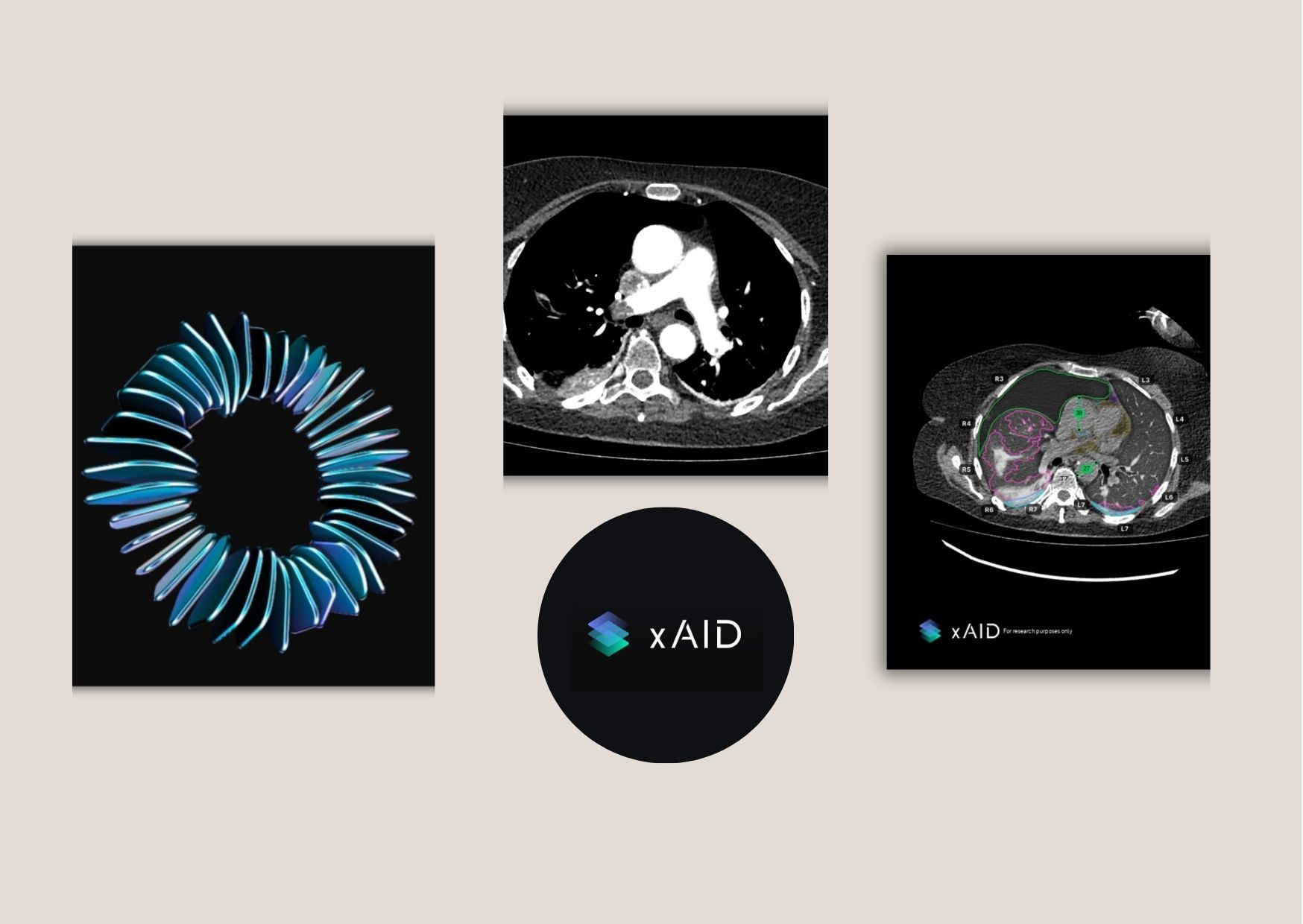
xaid.ai supports outpatient imaging centres and teleradiology providers with AI powered solutions for head, chest, and abdomen CT reporting. The workflow goal is practical: improve diagnostic workflows with efficient and consistent reporting. When organizations can align AI assistance with their real reporting process, they often see smoother adoption and better reader acceptance. That alignment is exactly what makes brand discovery valuable during vendor selection.
Conclusion
Brand discovery is not just about marketing recognition; it is about finding a dependable partner for clinical workflow transformation. That approach helps reduce implementation risk and improves the chance that AI results translate into day-to-day efficiency. It also supports consistent reporting across sites and readers, which is essential in modern imaging networks. If you are exploring AI-driven support for CT reporting, consider how xaid.ai positions its solutions for outpatient imaging and remote interpretation workflows. A strong brand signals operational readiness, practical onboarding, and ongoing support for quality. With xaid.ai, teams can target efficient and consistent reporting for head, chest, and abdomen studies. For organizations comparing vendors, that combination of workflow fit and domain focus can simplify the decision and accelerate adoption.
