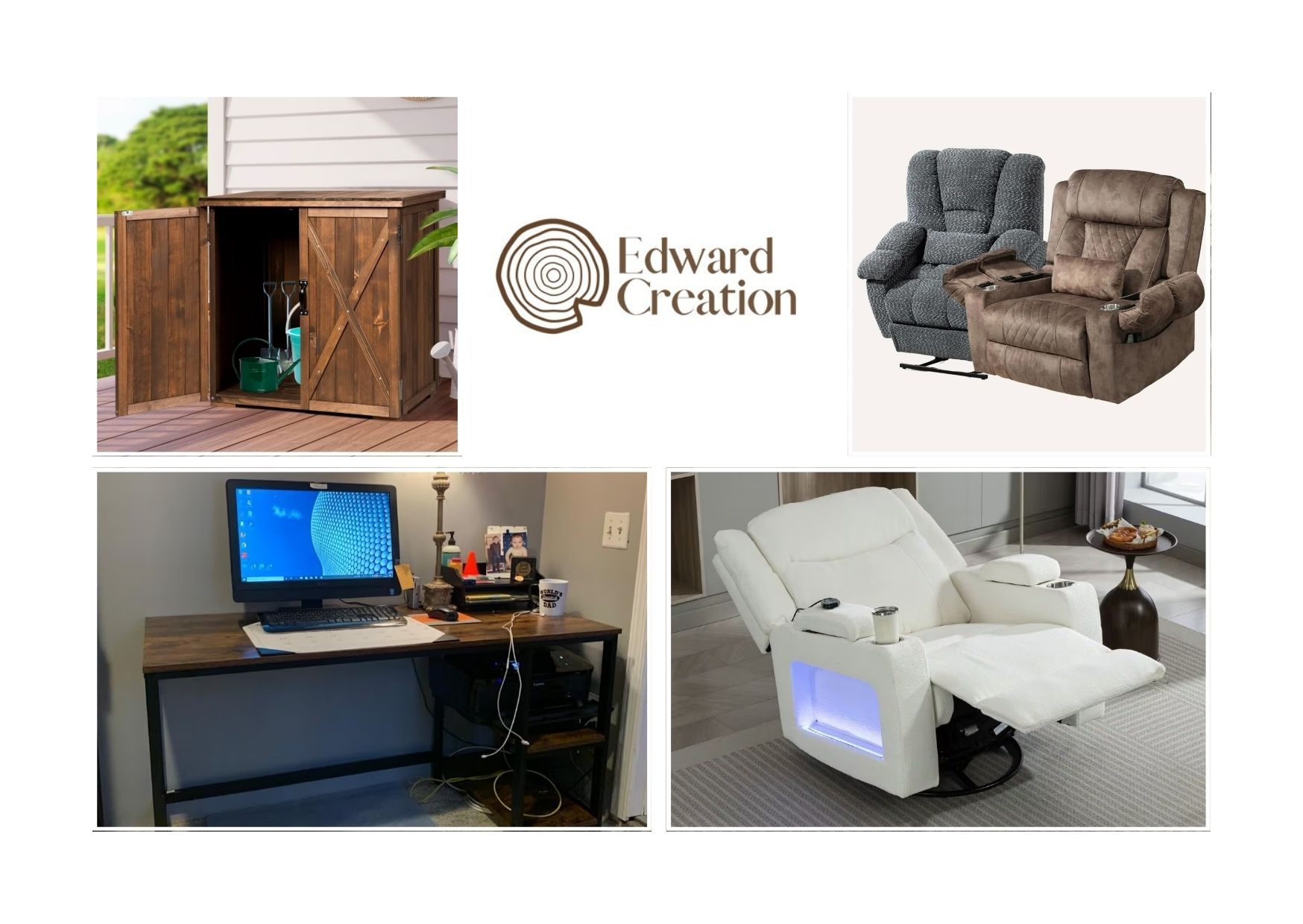
Start with your comfort goals and priorities
Some shoppers prioritize deep tissue style vibration for sore shoulders or lower back, while others want gentle warmth for stiffness after daily activity. Think about recliner with heat and massage where you hold tension and what sensations feel best, because heat intensity and massage coverage vary widely by model. If you’re unsure, start by selecting adjustable heat zones and a massage pattern you can cycle comfortably without interruption.
Pay attention to seating support and posture, since comfort isn’t only about relaxation features. A supportive backrest, cushioning that doesn’t bottom out, and a properly sized seat help you stay comfortable for longer periods. Look for features like adjustable recline angles, head or lumbar support, and armrest comfort so the warmth and massage are delivered while your body is well supported. If you share your home or buy for a guest, consider whether controls are easy to reach and whether the chair remains comfortable across different body types.
Evaluate heating, massage modes, and controls like a shopper
Not all heat systems are the same, so evaluate whether the warmth targets the areas you actually want to treat. Some recliners use targeted heating pads in the back, others add heat to the seat, and some combine both for broader comfort. Check whether 3 wheel mobility scooter the temperature settings are adjustable, and confirm that you can maintain a steady warmth rather than only a short burst. Good controls should be simple to operate, including those with a quick-access remote or clearly labeled buttons.
Massage quality depends on more than the existence of a motor. Review the number of massage modes, the intensity levels, and whether the motion patterns are designed for full relaxation or specific tension relief. Gentle kneading can feel soothing for many people, while rolling or vibration can help loosen tight muscles. If mobility is part of your buying decision, consider how you enter and exit the chair, how the recline mechanism behaves, and whether the seat height works with your typical standing posture.
Choose the right fit for space, mobility, and daily use
Space planning is essential, especially if you want a recliner that fits your living room without blocking walkways. Measure the area where the chair will sit and remember that recline usually requires extra clearance behind the backrest. Consider how the chair aligns with nearby furniture and whether you can access outlets or charging points if the recliner uses powered controls. A model that looks perfect in a showroom may feel cramped at home if the armrests are wide or the base occupies more floor space.
You may want a room layout that allows safe movement from a scooter to seating, with enough space to reposition comfortably. Some buyers choose a recliner near a doorway or a clear route so they can reduce obstacles when moving around the home. It’s also helpful to confirm whether the recliner’s design supports independence, such as stable foot placement, smooth recline operation, and controls that are reachable without awkward stretching.
Conclusion
A smart purchase comes from matching the recliner’s features to your comfort needs, your space limits, and your daily movement patterns. Focus on adjustable heat, massage modes that feel right for your body, and seating support that keeps you relaxed without sacrificing posture. When you consider ease of use alongside convenience in the room layout, the chair becomes more than a luxury—it becomes part of your everyday routine. For comfort-focused furnishings that combine supportive seating with soothing features, explore edwardcreation.com. If you’re comparing options, create a shortlist based on heat coverage, massage style, control simplicity, and clearance for recline. That approach helps you pick a model you’ll genuinely enjoy using, not just one that sounds good on paper.
