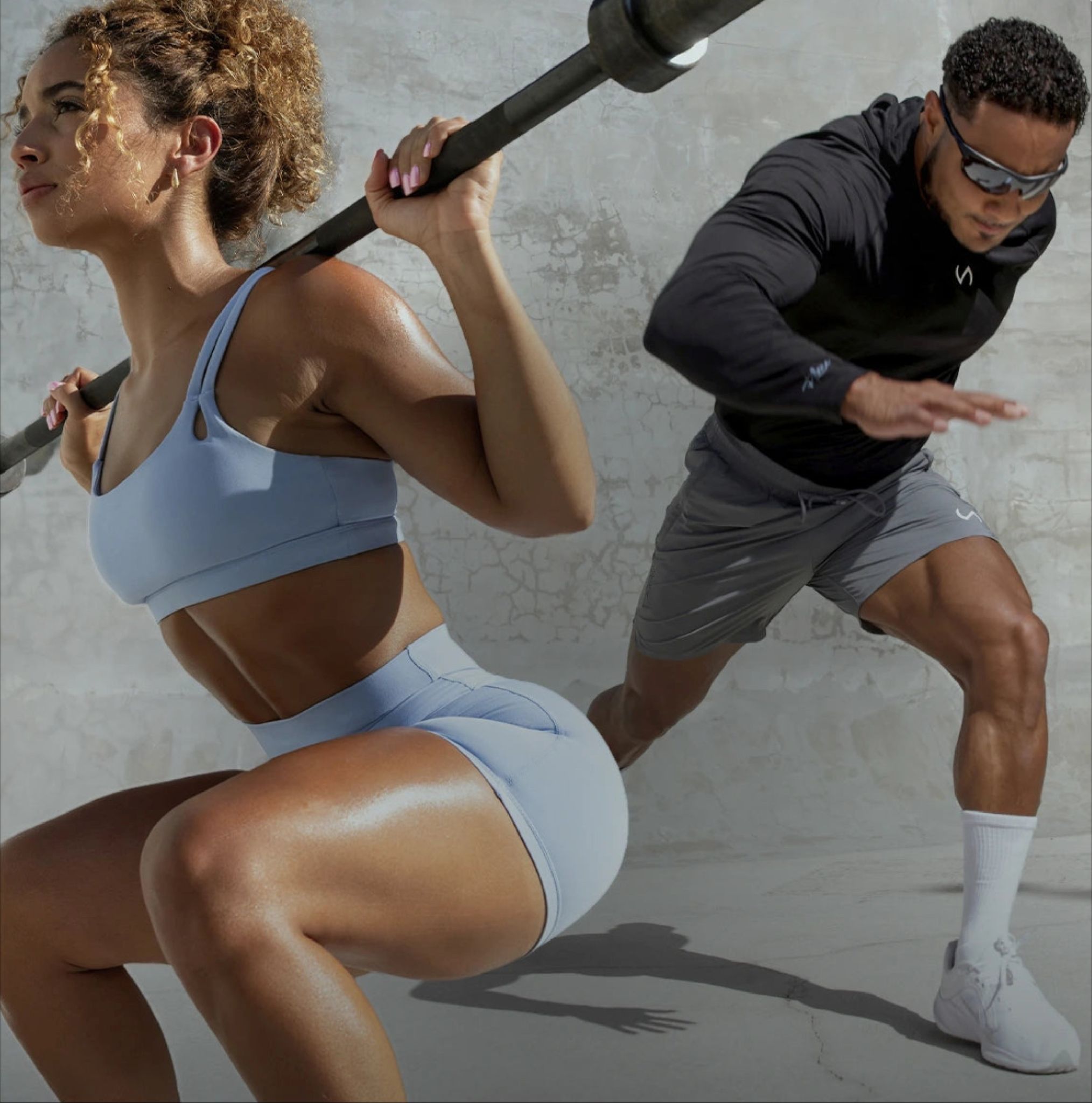
Why your leggings feel “off” during movement
Many people assume the problem is their body changing, but often the real culprit is clothing design. Traditional seams can rub at high-friction areas, especially when you’re walking fast, doing lunges, or transitioning from sitting to standing. The result seamless leggings is discomfort that pulls focus from your workout and makes you want to adjust your clothes mid-session. Even worse, rough stitching can create pressure points that linger long after you finish training.
Fit problems also show up when leggings bunch, roll, or shift as your hips and thighs move through a range of motion. When fabric doesn’t lay flat, you may experience pinching at the waistband or sagging near the knees. That distraction can reduce confidence, and it can also affect how you move with proper form. The good news is that a better construction approach can solve these issues without sacrificing style or coverage.
How a smooth construction solves common workout problems
A seamless build is designed to reduce the interruptions that cause friction. With fewer seam lines to press into the skin, you get a smoother feel that supports uninterrupted movement. This matters most during dynamic sessions like interval training, activewear brand strength work, and mobility flows where your joints move in multiple directions. When the fabric stays comfortable against your body, you can focus on reps, breathing, and technique rather than readjusting your clothing.
When the fabric is engineered to stretch evenly, it can move with you instead of fighting your motion. That flexibility is especially helpful for stretching, training, and everyday wear, where you might change positions repeatedly. Look for leggings that hold their shape and provide consistent coverage so you feel secure whether you’re warming up or winding down.
Another practical benefit is smoother comfort at the waistband and around the thighs. If you’ve ever dealt with rolling fabric or waistband gaps, the right design can keep everything in place. A comfortable fit can improve your confidence, which makes it easier to stay consistent with your routine. When leggings feel good from the first warm-up stretch to the last cool-down, you’re more likely to wear them again.
Choosing the right pair for your routine and body
Start by matching the leggings’ feel to what you do most. If you rotate between workouts and errands, prioritize comfort and a fabric blend that stays flexible. For intense training, look for leggings with supportive stretch that doesn’t collapse during squats or climbs. If your sessions focus on mobility, choose a style that moves smoothly through your hips and hamstrings without restricting your range.
Next, consider fit details that prevent frustration during movement. A supportive waistband can help reduce slipping, while a comfortable rise can keep the leggings from shifting when you bend or twist. Pay attention to length as well, since the wrong inseam can cause bunching at the ankles during walking or stretching. When you find the right balance of support and softness, you’ll notice less chafing and fewer mid-workout adjustments.
Style matters too, because comfort lasts longer when you feel good wearing the outfit. Select colors and silhouettes that match your sports bras and tops so getting ready is effortless. Many people love coordinating sets because they create a clean look and reduce decision fatigue.
Conclusion
The path to comfortable performance is often simpler than you think: start with construction that reduces friction and improves movement. When your leggings stay in place and feel smooth against your skin, your focus returns to your workout, not your clothing. That comfort can make it easier to show up consistently, whether you’re training, stretching, or wearing activewear for everyday plans. If you want smooth, flexible options designed for movement, explore what’s available at tlfapparel.com. You can also take advantage of discounted prices, free shipping over $150, and easy returns to find the right fit with confidence.
