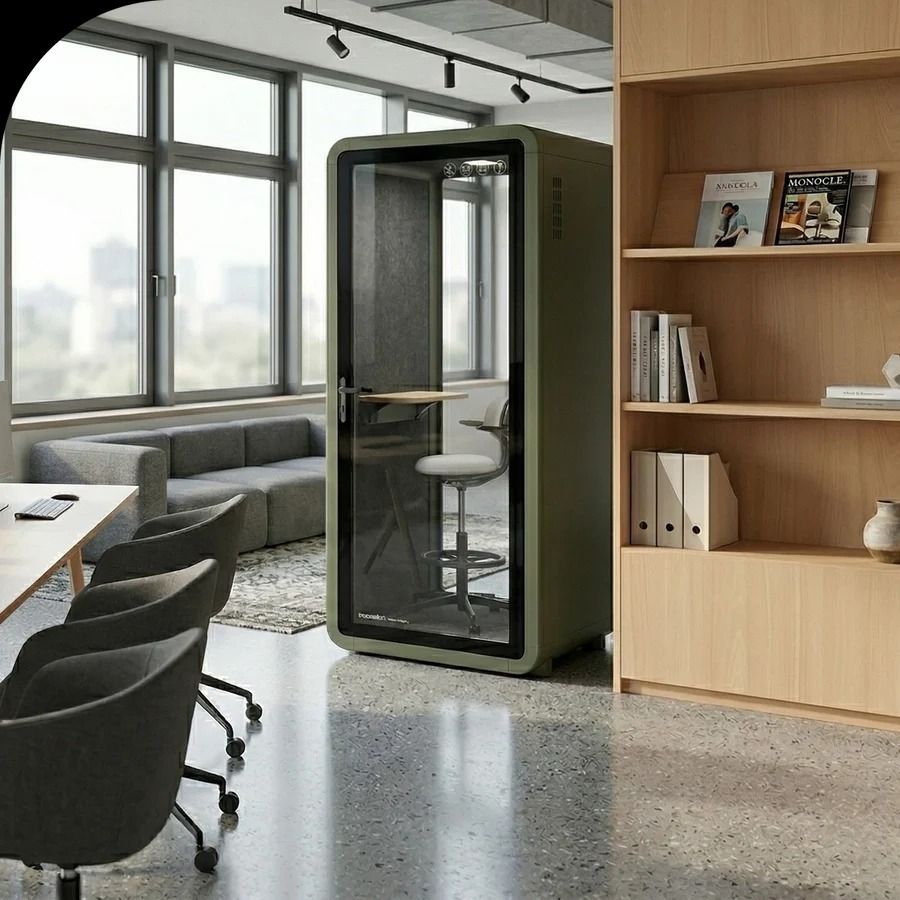
How to Choose the Right Pod for Your Use Case
Before comparing models, map the pod to the conversations you need to support. Are you planning team check-ins, sales calls, client interviews, or quiet deep-work sessions? Different activities benefit from different layouts, meeting room pods seating options, and acoustic performance, so start with real-world scenarios rather than brochures. If you host frequent back-to-back calls, prioritize fast turnaround and comfort for longer sessions.
Next, decide how many people the space must accommodate and how often that capacity is used. Many buyers think in terms of maximum occupancy, but day-to-day success depends on whether the pod feels comfortable with normal seating and typical work materials. Consider whether you need a small workstation feel or an open conversation area, plus room for a laptop, notepad, or documents. A pod that fits your workflow can improve adoption, which is often the hidden driver of ROI.
Soundproofing, Layout, and Comfort: What Buyers Should Verify
Look for construction that reduces sound transmission from adjacent rooms, and verify whether ventilation supports low-noise operation. soundproof phone booth office Pay attention to the door design, sealing, and internal surface finishes, because these elements impact how well the pod maintains privacy. If you work in a high-traffic office, stronger soundproofing can directly reduce interruptions.
Comfort affects whether employees actually use the space. Evaluate lighting, airflow, and the interior feel of the pod, including seat ergonomics if it includes built-in seating. Check whether the interior size allows natural posture changes for meetings that run beyond a quick call. Also, consider cable management and power access so devices can be used without stretching across the doorway area.
Budget Planning and Value: Getting the Best Fit
When planning spend, break the purchase into more than the base unit price. Think about installation requirements, placement preparation, and any electrical or connectivity needs for audio and conferencing equipment. If your office layout is flexible, you may benefit from choosing a pod that supports straightforward repositioning or adapts to different areas over time. Buyers often underestimate how the surrounding environment—adjacent desks, corridors, and walls—affects perceived privacy.
It also helps to estimate the cost of lost focus and rescheduling. When teams can reliably book quiet spaces, fewer meetings are rerouted and fewer conversations are postponed due to noise. Compare the pod’s use frequency against alternative solutions like shared conference rooms or open office corners.
Conclusion
A smart buyer-intent approach starts with matching the pod to your workflows, then validating sound control, comfort, and practical installation needs. That blend of private functionality and professional design is exactly what many organizations look for when they modernize office communication. For teams seeking stylish, acoustic-first solutions, soundboxstore offers office pods built to support focused conversations and team collaboration with confidence. Use your shortlist to compare materials, privacy impact, and day-to-day usability, then select the option that best fits your meeting patterns. With the right choice, your office can turn noise challenges into an advantage—one quiet discussion at a time.
