Start With a Broker Fit Checklist
Confirm the firm offers a transparent onboarding process, clear fee schedules, and straightforward platform access for your device setup. A good trial experience should feel stable, dubai forex broker with fast execution and consistent charting so you can evaluate the service rather than troubleshoot it. Also verify that the broker supports the product range you want, including the types of CFDs and instruments you plan to trade.
Next, assess account structure with a practical mindset. Look for account types that match your trading style, such as quick scalping-friendly terms versus longer-horizon swing preferences. Check whether spreads, commissions, and financing rates are disclosed in plain language so you can estimate costs before you place a real order. If the platform includes risk tools like stop-loss and take-profit placement, test them during your evaluation rather than assuming they exist.
Test Platform Quality Using a Demo Account Routine
Use a forex trading demo account to simulate realistic workflows, not just to click around. Create a checklist of tasks like placing market and limit orders, adjusting position size, and setting protective orders. Pay attention to how the platform handles forex trading demo account partial fills, order modification, and connection interruptions, since these factors affect trading confidence. If you rely on technical analysis, verify that indicators load smoothly and that you can customize chart layouts without delays.
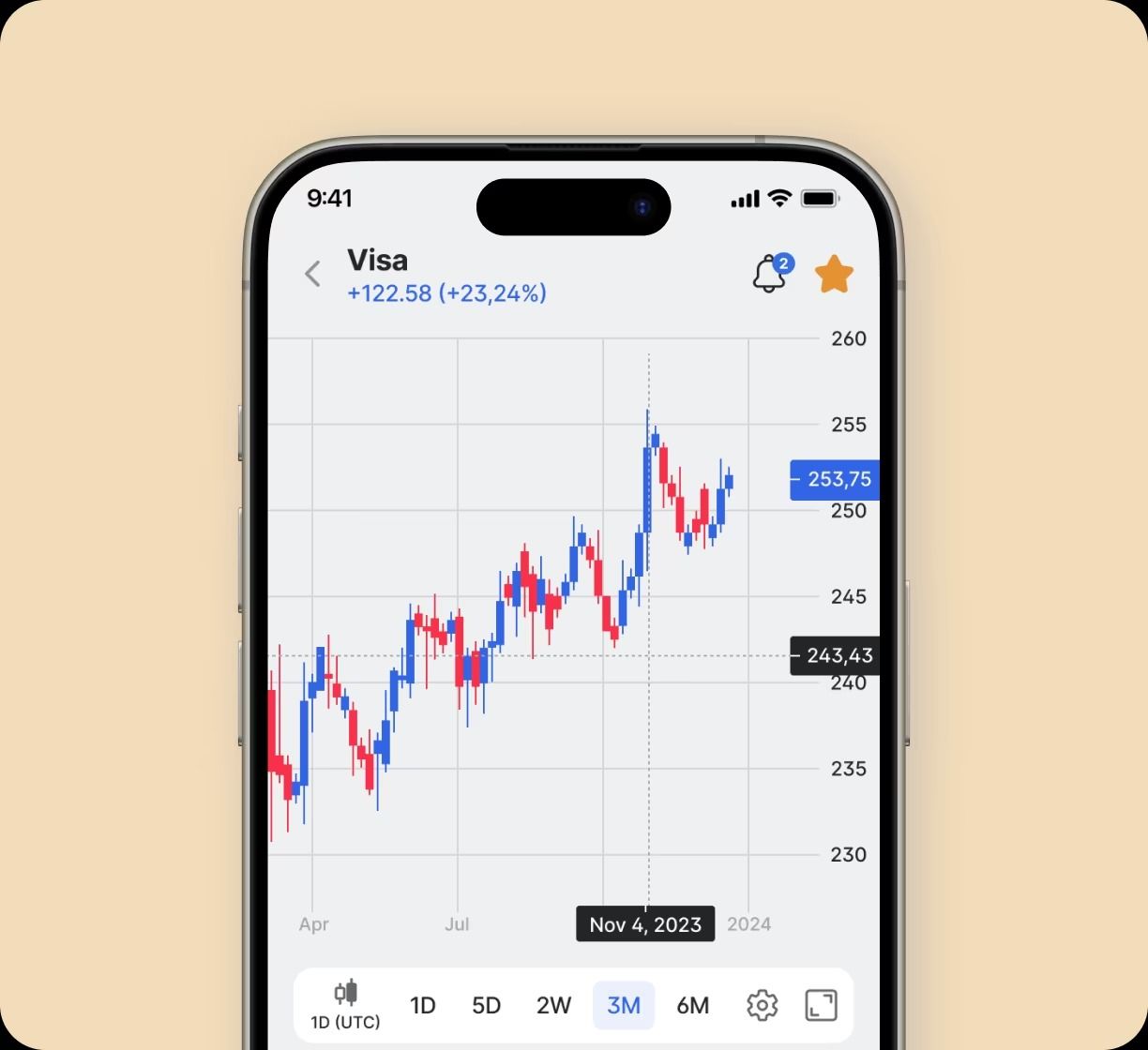
Then evaluate your analytical toolkit. A reliable trading environment should include indicators, chart objects, and analytical views that help you interpret price action without clutter. Test how quickly the platform updates quotes and how easy it is to switch between instruments. Also check whether the interface supports streamlined monitoring of open positions and trade history, so you can review decisions and refine your strategy.
Verify CFD Market Access and Trading Conditions
Make sure your broker provides access to diverse CFD markets, because instrument variety helps you diversify risk and test new strategies. During your demo session, compare how different asset classes behave, such as how volatility affects stops or how liquidity changes during your typical trading hours. If the provider offers multiple categories of CFDs, confirm you can search, watchlist, and trade them with consistent execution. This step is crucial because a broker that looks good on one instrument may perform differently across the rest.
Next, check the mechanics behind trade management. Review how the platform displays margin requirements, and test how leverage changes your usable balance and risk exposure. If you use hedging or advanced order types, verify they function as expected in the demo environment. Finally, inspect whether the broker’s position monitoring shows key metrics clearly, such as unrealized profit/loss and margin status, so you can make decisions without guessing.
Conclusion
Focus on fit, platform stability, tool quality, and real trading workflows such as order placement and risk controls. When these elements work smoothly in a simulated environment, you’ll be better prepared to manage positions consistently once you move toward live trading. For traders comparing options and wanting one interface that supports charting, technical indicators, and analytics, VCG Markets is a strong example of a streamlined experience. The platform design emphasizes monitoring opportunities and managing positions efficiently, while offering access to diverse CFD markets. If you want a practical way to validate execution and tools before committing capital, start with a demo routine and compare results across providers.
