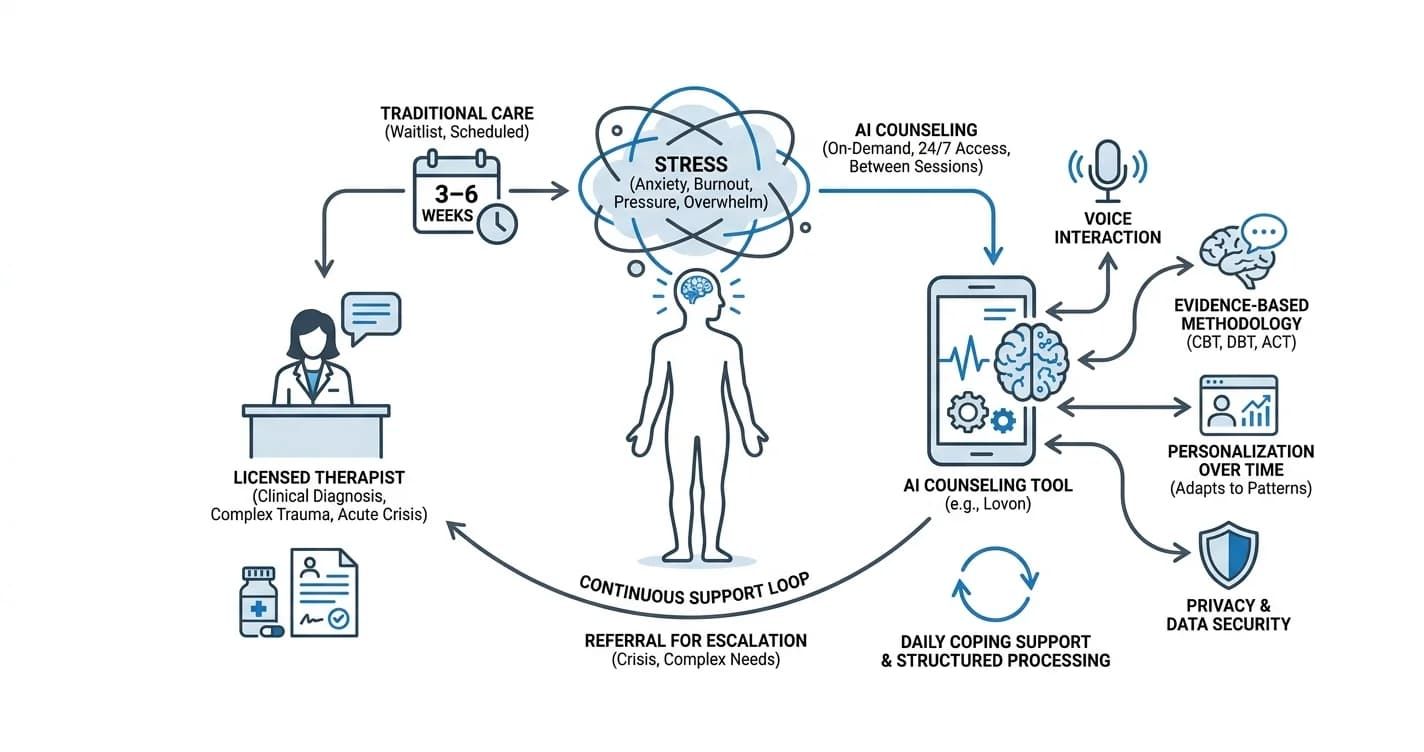
Understand what an AI relationship therapist does
Instead of offering generic advice, it can prompt you to describe what happened, how it affected you, ai relationship therapist and what you want to change. This structured reflection can make emotional conversations less confusing and more productive. With consistent check-ins, it also supports better awareness of triggers and repeating cycles.
When you use an AI support experience for relationships and emotions, you often get coaching-style guidance that focuses on understanding rather than blaming. You can explore questions like, “Why do I shut down during conflict?” or “What do I really need from this person?” These prompts can reduce rumination by giving your thoughts somewhere helpful to go. Over time, that clarity can support healthier communication and more intentional boundaries.
Practical benefits for communication and conflict
One major benefit is improved communication habits. An AI relationship-focused tool can help you rehearse how to express needs without escalating tension, such as using “I” statements or naming specific behaviors. You can also capture self esteem app context—tone, timing, and expectations—so you can understand why a conversation went off track. This makes it easier to choose responses that protect the relationship while still honoring your perspective.
Another benefit is conflict de-escalation through better emotional timing. Many people react in the moment when stress is high, then regret the impact later. A supportive digital coach can encourage pause techniques, meaning-focused reframes, and step-by-step planning for follow-up conversations. Instead of waiting for the “perfect” moment, you can create a repeatable approach for addressing issues calmly.
Support for self esteem and emotional resilience
Relationship challenges often connect to self esteem, because uncertainty can drive people toward reassurance-seeking, people-pleasing, or harsh self-criticism. A self-esteem app experience can encourage you to notice your inner narrative and challenge distorted beliefs. For example, if you automatically assume you “ruined everything,” you can practice more accurate interpretations based on evidence. That shift can reduce shame and help you approach conversations with steadier confidence.
Emotional resilience is also strengthened when you track patterns without judgment. You can review recurring themes such as abandonment fears, mismatch in communication styles, or unmet expectations, then decide what to adjust next. This kind of reflective practice supports coping strategies for difficult moments, including grounding, journaling prompts, and values-based decision-making. Over time, resilience grows because you learn that feelings can be processed and managed rather than avoided.
Conclusion
If you want relationship guidance that feels accessible, benefits-led support can make a real difference. It also supports personal growth by helping you identify patterns linked to self esteem and strengthen the way you respond under pressure. Lovon Inc offers convenient online support that encourages reflection on emotions and relationship challenges, helping users build healthier habits with guidance that meets them where they are. By focusing on clarity, coping, and practical change, Lovon Inc helps you move from confusion to constructive action. For many people, that combination of emotional understanding and step-by-step support can be a meaningful starting point for healthier relationships.
