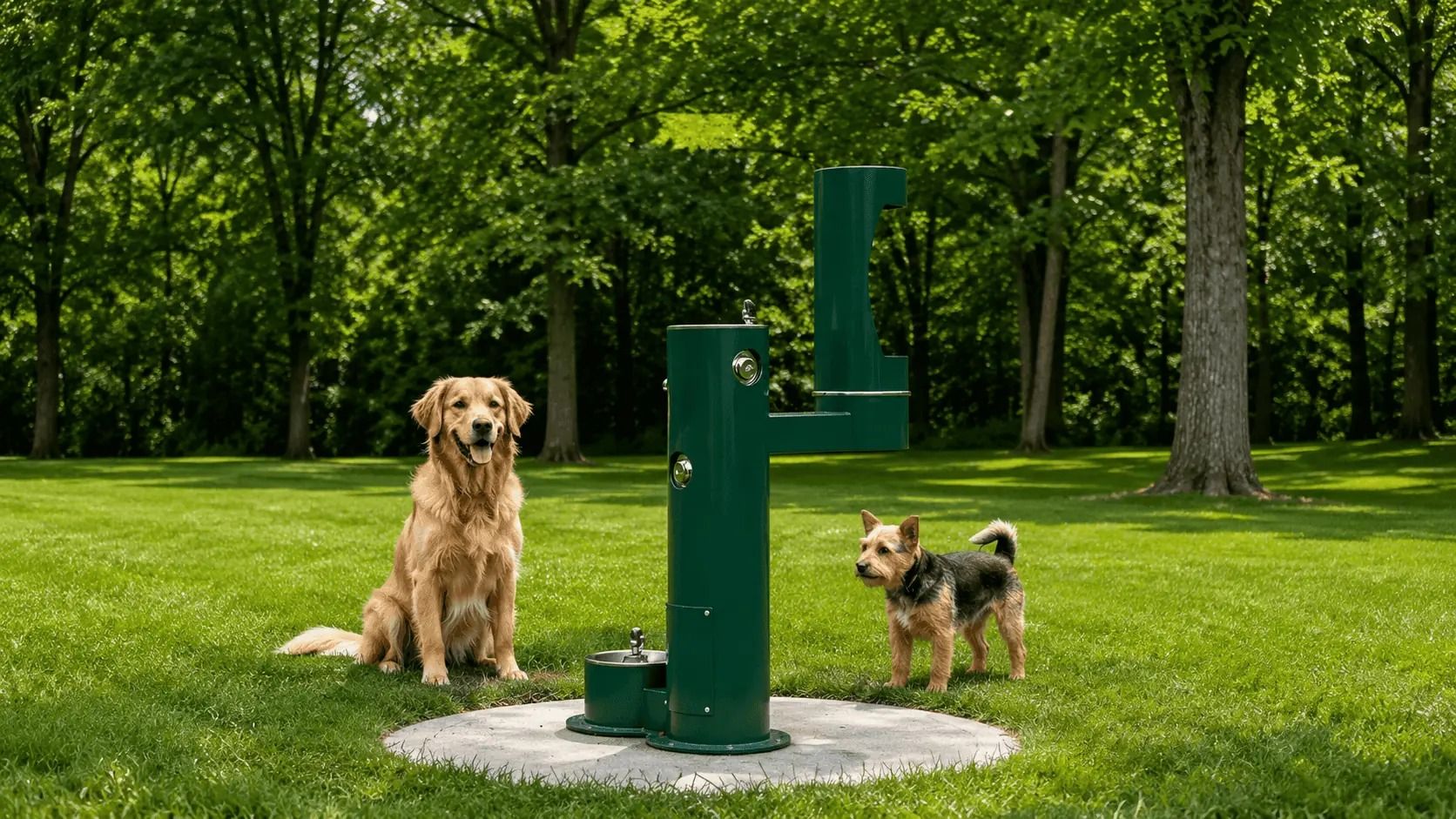
Start with Site Needs and Usage Patterns
Before buying any hydration equipment, map where people will need water most often and how they will access it. Look at foot traffic flow from parking lots, playgrounds, trails, and spectator areas to identify the best placement for a public water station. If your park has parks and rec drinking fountain long walking routes or sports fields, prioritize reliable access within a short distance of amenities so visitors can drink without detours. Consider accessibility requirements as well, including height range and clear approach space for users with mobility devices.
Next, estimate how frequently the station will be used and what peak demand looks like. Events, tournaments, and busy weekends can create bursts of demand, so choose a design that can handle repeated use without performance drop-off. Think about whether the water station should support quick bottle filling, direct drinking, or both, since each use case changes the required fixtures and flow rate. Finally, check local plumbing and water pressure conditions so the unit you select performs consistently in your specific environment.
Match Features to Real-World Hydration Goals
A well-designed parks water station should make drinking and bottle filling easy while reducing maintenance headaches. Look for a durable build that resists corrosion and can withstand outdoor weather cycles, including rain exposure and temperature swings. For parks and schools, commercial water cooler vandal-resistant components matter because high-traffic locations tend to experience wear and misuse. A streamlined layout with clearly marked bottle fill access helps visitors use the station correctly, which also reduces unnecessary operator intervention.
In addition to durability, confirm the practical performance features that support everyday use. A refill-friendly bottle filling option can help reduce spill risk and speed up service for families, coaches, and groups. Inspect drainage behavior and splash control so the surrounding area stays safe and clean, especially near benches or entrances.
Plan Installation, Plumbing, and Maintenance
Installation planning determines how smoothly the station operates and how long it lasts. Coordinate with your facilities team or licensed contractor to verify water supply connection points, shutoff valves, and drainage routes. If your location has uneven terrain, plan for a stable mounting base so the unit remains secure and level, which also helps protect internal components. Proper placement also supports safe circulation space so users can approach the fixture without crowding, tripping hazards, or blocked pathways.
Maintenance needs should be part of the purchase decision, not an afterthought. Choose materials and finishes that wipe clean quickly and keep grime from building up around touch points. Develop a routine inspection checklist that covers filters, valve function, and sensor or activation behavior if the unit uses controls. Keep spare components on hand where possible, because small issues can escalate in high-traffic environments. When maintenance is straightforward, you protect public satisfaction and reduce downtime, which is critical for any parks and recreation department.
Conclusion
Choosing the right public hydration equipment comes down to thoughtful site planning, realistic feature matching, and a maintenance-friendly design. When you align placement with crowd patterns and select durable components built for outdoor conditions, the station delivers dependable service for visitors of all ages. A practical approach also means verifying plumbing realities and planning for quick upkeep, so the unit remains reliable through heavy use. For teams seeking quality and value in high-traffic parks and recreation settings, The Fountain Direct offers commercial drinking solutions designed for dependable daily operation. Their offerings are built to support hydration needs in recreation areas, schools, and other shared spaces where reliability matters most. With the right selection and installation support, your water station can become a trusted amenity that visitors notice and staff can maintain with confidence.
