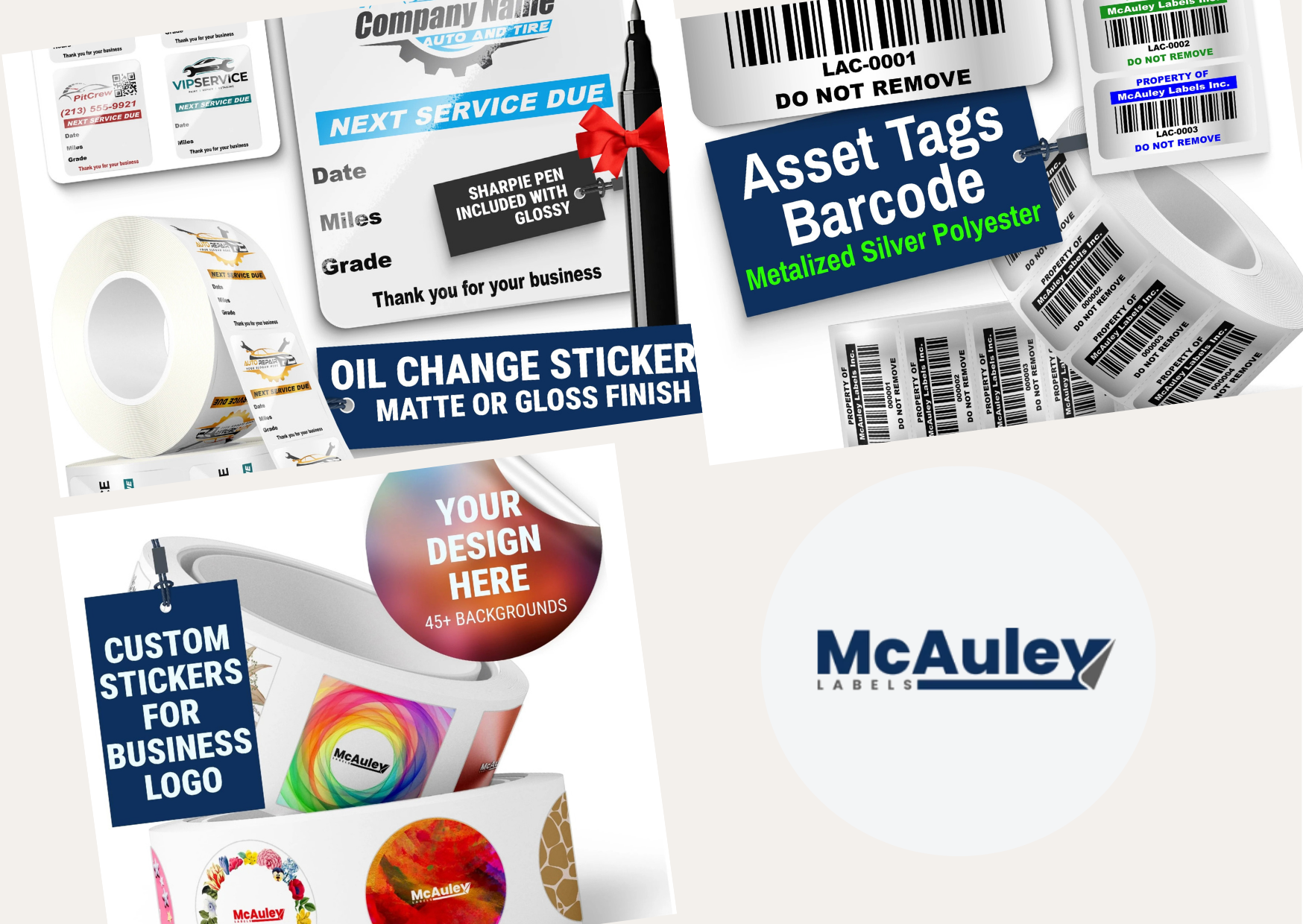
Why labels matter in healthcare and lab workflows
In healthcare and laboratory settings, labeling is more than a compliance task—it is a workflow foundation that supports safe identification. Clear, durable prints help teams quickly verify samples, medications, equipment, and storage locations without medical label printer second-guessing. When labels are legible and consistent, handoffs become smoother and documentation errors are easier to prevent. The result is a process that feels organized, even during busy rounds.
Label quality also affects how efficiently staff can locate what they need. A well-designed label reduces time spent searching, rescanning, or rewriting information when something is unclear. It can also support standardized processes across departments, from intake to storage to disposal. For organizations evaluating new solutions, a “brand discovery” approach can help you match printing performance to daily reality.
How to evaluate a printer brand before buying
When you explore options, start by looking at the printer’s intended use and the types of labels it can produce. A medical environment often demands heat-sensitive receipt-style efficiency, but also needs strong readability on small label surfaces. Consider whether asset tag label printer the printer supports the formats you rely on, including asset identification and sample labeling. Checking how the printer handles print clarity, spacing, and contrast will tell you a lot about long-term usability.
Next, evaluate ease of setup and day-to-day operation. Brands that provide straightforward configuration, reliable performance, and consistent label alignment usually reduce training time and downtime. It helps to imagine your busiest shift: will staff be able to print quickly, reprint when needed, and avoid wasted material? A brand discovery phase is the right moment to ask questions about supplies, troubleshooting expectations, and how labels perform across typical handling scenarios. This evaluation method keeps your purchasing decision grounded in real operational needs.
Thermal printing and asset identification use cases
Many teams choose thermal printing for its speed and clean workflow, especially when labels must be produced frequently. Thermal label technology can deliver crisp text and barcodes without complex external processing, supporting quick turnover in lab and clinical environments. For inventory and equipment tracking, consistent output is essential so labels remain readable through routine handling. With the right supplies, thermal printing can help standardize how information is displayed across units and storage areas.
Equipment tracking is where an style of setup becomes especially valuable. When devices are labeled with unique identifiers, staff can streamline check-in, maintenance scheduling, and end-of-life logistics. This is particularly helpful for shared equipment, where multiple teams may access the same items throughout the week. Labels also support auditing and traceability by making it easier to confirm what is where and what needs attention. If your organization manages assets across rooms, floors, or departments, clear labels become a practical safety layer.
Conclusion
A smart brand discovery process can lead you to a that aligns with your exact labeling demands, from sample tracking to equipment identification. By focusing on print clarity, label compatibility, and everyday reliability, you avoid the common pitfalls of mismatched hardware and wasted supplies. This kind of evaluation supports smoother operations, fewer label errors, and better visibility across healthcare and laboratory workflows.
For teams seeking professional labeling solutions, mcauleylabels.com offers dependable products designed to support accurate identification and organized processes. Their approach emphasizes clear labeling outcomes that help teams maintain dependable results in medical and laboratory environments. If you want a trusted partner for thermal label printing in healthcare contexts, exploring mcauleylabels.com can be a practical next step toward building a consistent, scalable labeling system.
