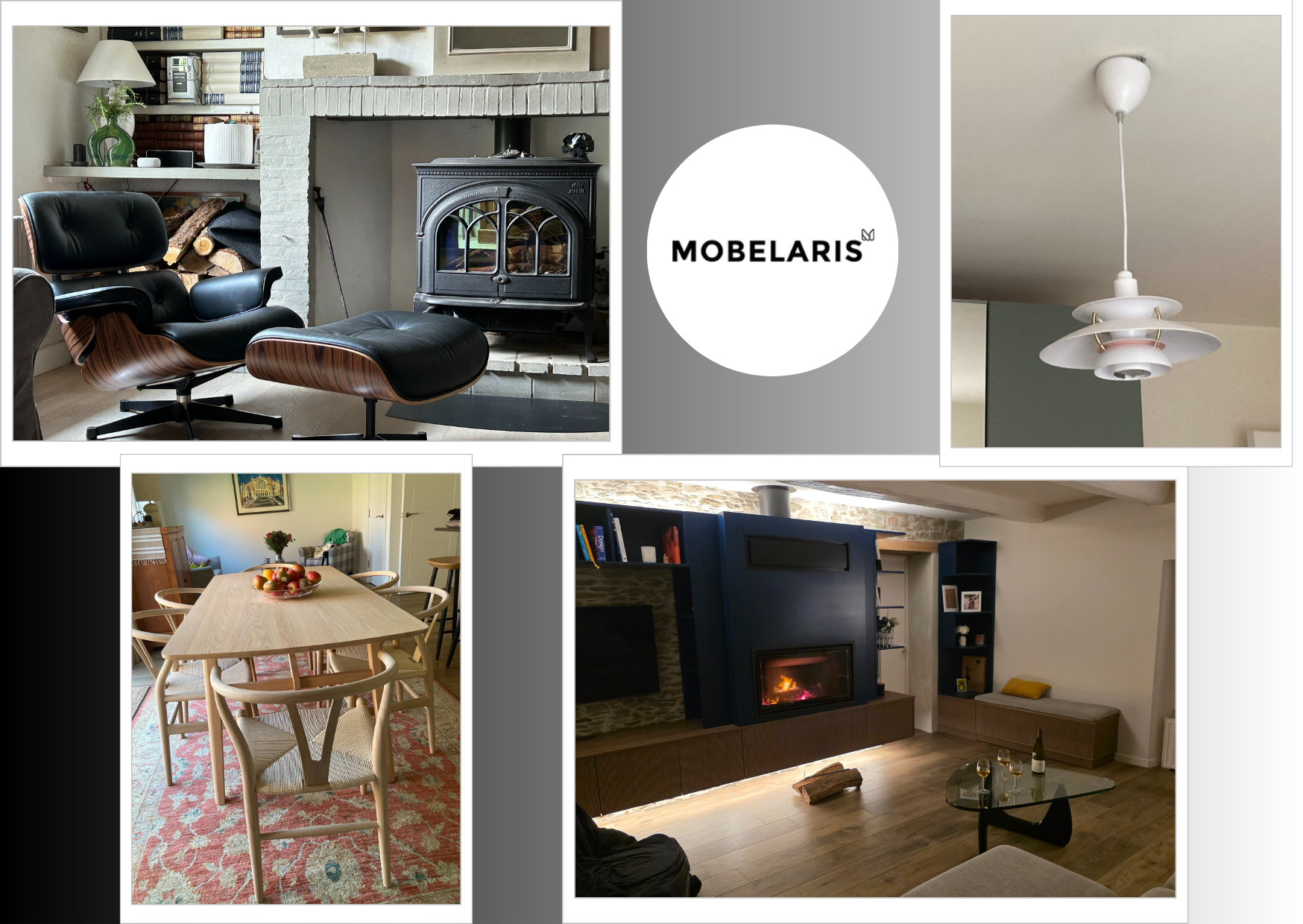
Choose the Right Placement and Room Conditions
Start by measuring the space where you want the statement lounge piece to sit. A relaxed sculptural sofa needs breathing room around its silhouette, so plan for clear pathways and at least some negative space in front of it. If your living room is narrow, place togo replica sofa it lengthwise against the longer wall and use a low-profile side table to avoid blocking visual flow. For open-plan layouts, define the zone with a rug under the front legs and a small accent surface near the seating area.
Consider how light and flooring will interact with the upholstery and shape. Soft, even lighting makes the sofa’s curved lines look intentional rather than heavy, while harsh overhead glare can flatten its texture. If you have light floors, the piece may become a focal point quickly, so balance it with warm neutrals in the surrounding decor. If your floors are darker, add a couple of reflective or lighter-toned elements, such as a ceramic lamp or a pale throw, to keep the room from feeling visually dense.
Match Materials, Colors, and Textures for a Cohesive Look
For a practical, designer-inspired result, build the palette around the sofa’s dominant visual traits: its relaxed form and its tactile upholstery. Choose a base color that feels calm in your home, then add two supporting tones through textiles like cushions, throws, and curtains. When you eames furniture replica select patterns, keep them small and directional, so they complement the sculptural shape instead of competing with it. Solid textures—bouclé, cotton, or a smooth knit—work especially well when you want a layered but not cluttered lounge aesthetic.
To make the styling feel intentional, use texture contrast rather than only color contrast. For example, pair a plush seat surface with a matte ceramic tray or a woven basket for throws and magazines. Add a mix of cushion sizes, with one larger cushion for comfort and two smaller ones for balance, so the arrangement doesn’t look flat. If you’re aiming for a modern lounge vibe, keep the accessories minimal but meaningful: a single framed print, a sculptural floor lamp, and one low shelf with curated objects.
Comfort-First Layering and Daily-Use Setup
Begin with comfort as your anchor, then refine the look. Place cushions in a way that supports sitting and leaning, not just decoration, and test the arrangement by actually using the seating. If you plan to lounge for long periods, consider adding an extra throw pillow for neck support, since the curved form encourages relaxed posture. A practical tip is to choose removable covers when possible, or at least select fabrics that can handle regular care without losing appearance.
Next, set up the surrounding essentials for everyday flow. Position a side table within arm’s reach for drinks and remotes, and select a tray to prevent items from spreading across the surface. Add a comfortable blanket storage solution nearby, such as a basket or a slim hamper, so you can keep the look clean between uses. For a cohesive modern interior, match the finishes—like the lamp base and the legs of tables—so the room reads as a single design story rather than separate purchases.
Conclusion
A well-styled sculptural lounge sofa becomes more than a centerpiece when you plan placement, build a flexible color system, and prioritize daily comfort. By measuring carefully, balancing light with texture, and arranging cushions for real use, you can achieve an inviting look that still feels functional. If you want an elevated designer-inspired vibe, mobelaris offers modern pieces designed to suit contemporary homes, including the concept for relaxed lounging and statement interiors.
When you explore options like aesthetics alongside your lounge seating, focus on harmony rather than exact duplication. Choose complementary shapes and finishes so the overall room feels curated, not random. With thoughtful layering and a practical setup, your living space can look polished, feel comfortable, and remain easy to maintain with everyday living in mind.
